
Balancing Monthly Support and Project Funds

Raising support for your monthly budget and being in need of project funds can be… well, daunting. Like trying to bake two pies at once BUUUTTT they are both filled with different stuff and one takes more time than another to bake and you have curious hangry toddlers in the room and possibly a husband that wants to lick the bowl because thats just what he just…does. Wait….just me? Where did we go there? Anyway, you get it. Doable, but you might lose a little sanity in the process. But take heart: you are not alone. Many have baked those pies, fumbled through it, learned a few lessons, and somehow came out peachy with actual monthly support and project funding. (Miracles do happen. And now I’m hungry)

If you’re trying to figure out how to ask for both without sounding like a human GoFundMe campaign, this one’s for you.


1. Get Clear on the Ask: Monthly vs. Project Funds

Monthly = the messenger / people
Project = the pathway

The Gospel requires flesh and blood. The work of ministry—especially in hard-to-reach places—demands presence and proximity. Project funds can build a building, but monthly support puts a missionary in that building.

In most circumstances I think it’s a good idea to keep your main ask for MONTHLY SUPPORT when you approach churches. Generally speaking monthly support is harder to get, and keeping the main thing the main thing will help you know where to start and focus. When you speak about your need – share that your biggest need is monthly support and share your heart and passion for those you are serving. Let that guide you. Then, when that is made known, tell the pastor how you want to minister – which is the project. And from there, you can pull out a business proposal (short with bullet points of specific dollar needs) and let the pastor know of that need as well.

When churches hesitate to support missionaries monthly but are eager to fund projects, there’s often a disconnect—not a lack of generosity, but a lack of understanding. It’s up to us to bridge that gap with grace and clarity, and perhaps quality print pieces or other materials that break down the specifics.


2. How to Reach Out to Pastors
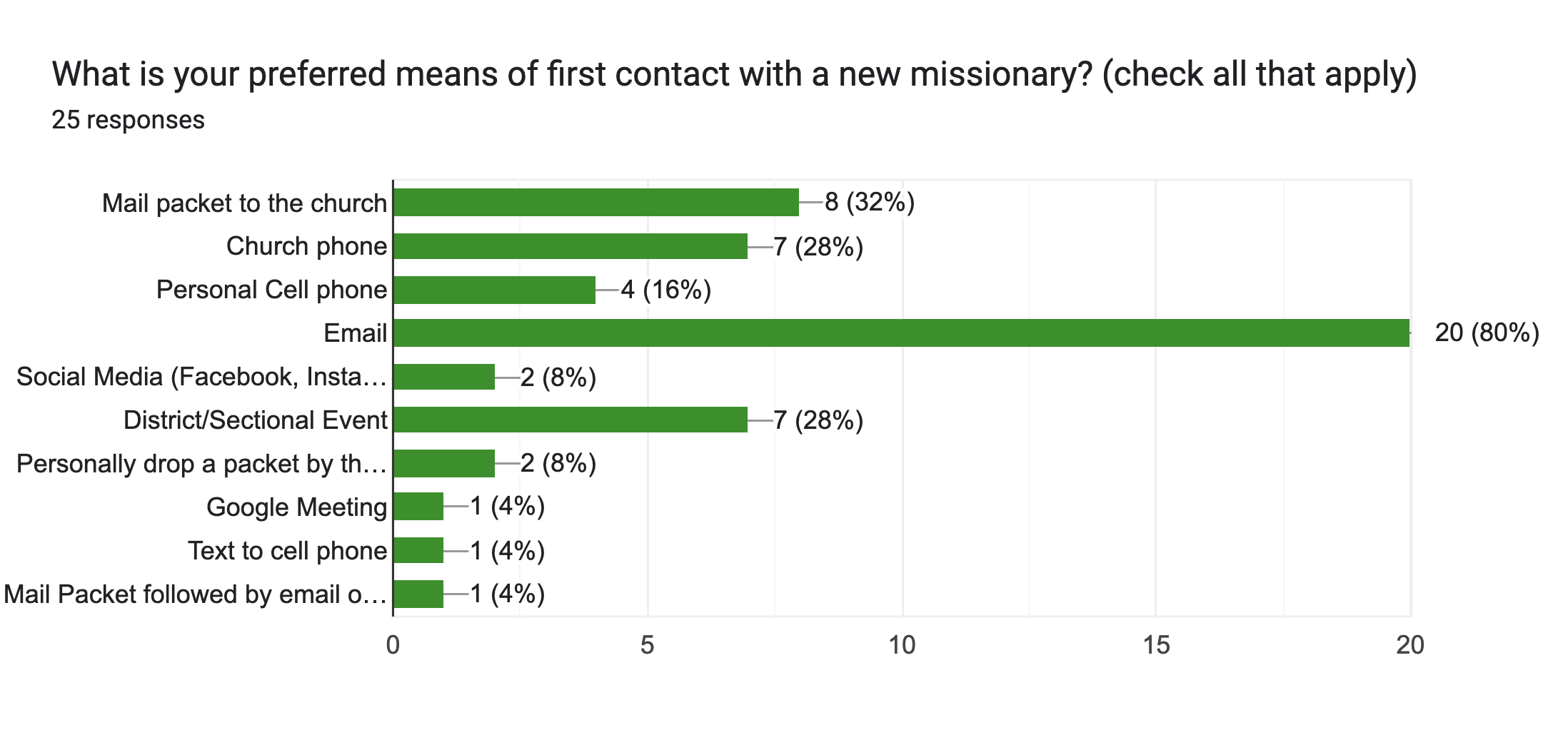
Every pastor is a little different in the ways they prefer to be reached out to. There is one clear winner – at least according to this survey that was just started while I am fresh typing this post – and that is email. I still believe how to reach out to a pastor varies due to numerous factors. In some districts/ church cultures – Old-fashioned phone calls work best to initially reach a pastor. I suggest if you try to reach a pastor via phone and they don’t answer, After phone follow up with a short but nicely made email packet. (Key phrase: not a novel. Keep it simple and informative). In other districts beginning with a mailed pastors packet and then following up with a phone call may make the most sense. It could also be that what works for one church does not work for another. Stay flexible and tweak your strategy of reaching out to new churches / pastors based on your experience and what you find works best in your area.


3. Touch Points Galore (aka Holy Persistence)

We’re talking 15+ touches per church. Sometimes that’s what it takes. Stay persistent without being overbearing. Never be demanding or carry entitlement in the process. Serve and love and expect that these pastors and churches are busy shepherding their flock.

4. Start with an ask for a coffee

“I’m in the area—can I drop by for 5 minutes?”

You don’t need a service every time. You need connection. And coffee. Always coffee.


5. Heart Then (Get Down to) Buisness

Consider getting a business coach to help you develop your overall plan if you haven’t already done so. Tighten up any loose ends of how any project you may be pioneering may start and be comprised of, your costs, infrastructure, etc. (honestly, I’m not the expert here — but business planners / coaches can be!) – and then be ready to be flexible. Have a plan, and make it well thought out. BUT don’t be so tied to it in your pitch that everything goes wrong if the business morphs over time. Lead with your heart — then hand them the spreadsheet.

What’s at the heart of your business plan / project?!?! You. Your calling. Your why. Your passion. Again, we ask first for monthly support and then follow with the business (mostly). The heart of why you are there should lead you, then you can provide the details.


5. Handling the “We Only Do Projects” Response Like a Pro

Cool. We get it. Some churches just give project funds.

If you don’t have a project you are trying to fund immediately, here’s a potential response:

“Awesome! Thank you! If you give to project funds and are interested – here are 3 holes we need plugged in order to stay long term in X ministry / country. (gives fancy sheet that includes some of the following:)

  • THIS THING AT THIS COST (Language learning classes?)
  • THIS OTHER THING AT THIS OTHER COST (beds for hostel!)
  • THIS LITTLE THINGY AT A SMALLER COST (a laptop! a desk! kids something or other)
  • THIS HUGE THING WITH A LARGE COST (tuition for kids school? cost of an administrative assistant that is local)

If you do have a project you are trying to fund, respond by giving them a sheet with #5 (heart then business!).

No matter your response, when you share, I’ll say it again – share your heart – and not with your financial need plastered so in front of it that they can’t see your passion. Hopefully, they become kingdom-ly invested while informed. And some of those project-givers? Ended up giving monthly later on. Go figure.

Remind them gently and remind your own heart: Presence matters. Proximity matters. And projects are the pathway and are great too.


6. Use organization tools like Donor Elf

Some of the workers I train use Donor Elf while in a season of itineration because:

  • It’s connected to a large amount of ministries
  • It pings you when someone’s giving lapses
  • It saves your sanity 🙂

Pro tip: Add every contact. Take notes. If you have a spouse split the workload with your spouse. Do support raising work with roommates or others on your team also raising support. High-five each other often.


In Summary:

  • Make a business plan. Know it but flex with it.
  • Make monthly support your first goal, then share your project fund needs
  • Lead with your heart and passion, not your plan
  • Email people. Maybe call people. (I know, terrifying.) Or call people than email. Or email and then call. Or snail mail and then call. But probably emailing and calling is in there somewhere.
  • Be well thought out in what you need. Use bullet points and specifics.
  • Let pastors into your story.
  • Drink coffee.
  • Eat the pies (? I don’t know if that works here but I’m keeping it)
  • Repeat.

You’ve got this. Go raise support like a boss. I mean baker.

Effective Strategies for Raising Support While Overseas


How to Raise Support While Still on the Field

Raising support while actively serving overseas can feel daunting. How can we raise support relationally while being separated by time zones and ocean water? The good news is—with the right strategies, it can absolutely work. Whether you’re far away on assignment or involved in full-time ministry locally, these tips can help you strengthen your support base and grow your network with confidence.

Top Tips for Raising Support While Overseas

Here are some key strategies to help you stay well-supported, even while you’re serving on the field:


1. Ask Existing Supporters For An Increase

One of the simplest and most effective ways to raise additional support is by asking current supporters for a small increase—typically 5–10%—as long as they haven’t made an adjustment recently. A personalized message (likely emailed) that acknowledges their ongoing commitment with a hearty amount of thanks and explains the current need can open the door to increased giving. It’s a strategic first step that often yields results without the need to expand your network right away.

Keep in mind, these asks are best if you haven’t requested an increase recently or asked them for support within the last 6–12 months. This approach is mainly intended for churches and individuals who have supported you for over a year.

Here’s a quick email template you can take and make your own:


Subject: Hello from Sweden + Support Update

Hi Pastor Ed,

I’m writing from Sweden! I hope all is going well there. I wanted to pop in quickly and share a few updates with you.

First off, thank you to you and 1st Assembly for continually supporting Zach and me as we’ve moved through various assignments in Sweden over the past six years. You all make what we do in CITY/MINISTRY possible, and we couldn’t do it without our team. We love and value you and are so thankful for your ongoing partnership.

Second, I wanted to let you know that we have plans to extend our term another year (🥳), and we’re reaching out to our existing partnership team to ask for prayer and support in this effort. We’re needing about $1,000 in additional monthly support and $12,000 in special gifts to make the extension happen.

If you know of any other churches or pastors who might be open to connecting with us, please let us know. And if 1st Assembly feels led to increase or give a special gift, we’d love to hear from you.

Just to give perspective—if every church on our team increased their monthly support by 10%, we’d already be halfway to our goal!

As always, thank you so much. We’ll continue to keep you posted via newsletters and social media. We’re attaching our most recent update below.

We’d also love to hear what’s happening at 1st Assembly. Stay in touch!

Many blessings,
Jenn (and Zach) Fortner
jfortner@eurasia
Sloane and Merrick

Giving #: ________
Sign up for Prayer Alerts: link__
[Attached Newsletter]


2. Use a Multichannel Approach

This is just a general tip that may come in handy as you think through ways to push out information on your financial need. Using multiple communication channels—newsletters, social media, phone calls, texts, videos, and Zoom—is key to effective support raising – period. Different people prefer different types of communication, so using a mix helps you reach a broader audience in ways that resonate with them. A multichannel approach increases the chances that your message will be seen, remembered, and acted on. So, if you are putting a goal of $1,000 increase in monthly support as you present your need in newsletters also use the same messaging in any social media (that you can based on security), phone calls or text messages (to existing partners telling them of your need), Zoom, emails, etc. I suggest starting with a great graphic and concise copy that you can sprinkle into all of your. communication pieces. Then, text or call or email your existing partners and let them know of your need (this may coincide with asking for increases – or point 1.)


3. Stay Connected and Communicative

As you grow into your role as someone who lives off of financial support, communication with your existing partnership team should become part of your regular lifestyle—not just something you do when you’re actively raising support.

While group updates are important, nothing replaces personal connection. Reach out to key supporters via direct emails, texts, phone calls, or Zoom. Just because you’re overseas doesn’t mean you can’t maintain meaningful relationships. These touchpoints deepen relationships and create opportunities for further engagement and support.

There are tons of great tools out there for staying in touch, especially when itineration time is limited. Use them to check in, express appreciation, and ask for small increases when appropriate.

Need ideas? Check out:
10 Easy Ways to Personally Connect With Financial Partners Without Taking Too Much Time


4. Expired Credit Cards

If a financial partner’s giving stops suddenly, don’t assume they’ve pulled their support. Often, the issue is something as simple as an expired credit card. A quick, friendly message to check in can resolve the issue quickly.

If you don’t follow up, you may unknowingly leave money on the table. Many partners are grateful for the reminder and are happy to update their info once they know there’s a problem.

Here’s a sample template from another worker you may use as you communicate with anyone who has lapsed on their giving:

We pray you are doing well!

I spent some time today catching up on our financial stuff and it looks like the last time you gave was on 8/20/24. Are you wanting to continue giving each month, or are you needing to adjust your monthly commitment? 🙂

(If you didn’t realize your giving stopped, the most common issues are either your card on file expired or you had a “deadline” for your giving from when you originally signed up to give.) If either of these were the reason your giving stopped, let us know and we can help walk you through how to restart your giving.

Regardless of if you’re able to keep giving, we are so thankful for your financial sacrifice thus far. Please let us know what you plan to do so we can keep our financial records up to date!☺️

We love you and are praying for you!

C&C


5. While on Assignment, Make It a Ministry Team Effort

Support raising doesn’t have to be a solo act. Creating intentional time with your ministry team—or even just a roommate or fellow worker—to work on support together can be a game-changer.

Set up a “support raising work party.” Think: cookies, coffee, laptops, thank-you notes, postcards, and good vibes. Working alongside others helps make the task less overwhelming and more enjoyable. (Bonus points if you take time to pray for your supporters as a group.)

Whether it’s writing updates, reaching out to lapsed supporters, or brainstorming fresh ideas, doing it in community builds momentum, accountability, and encouragement.

6. Try a Facebook / Social Media Campaign

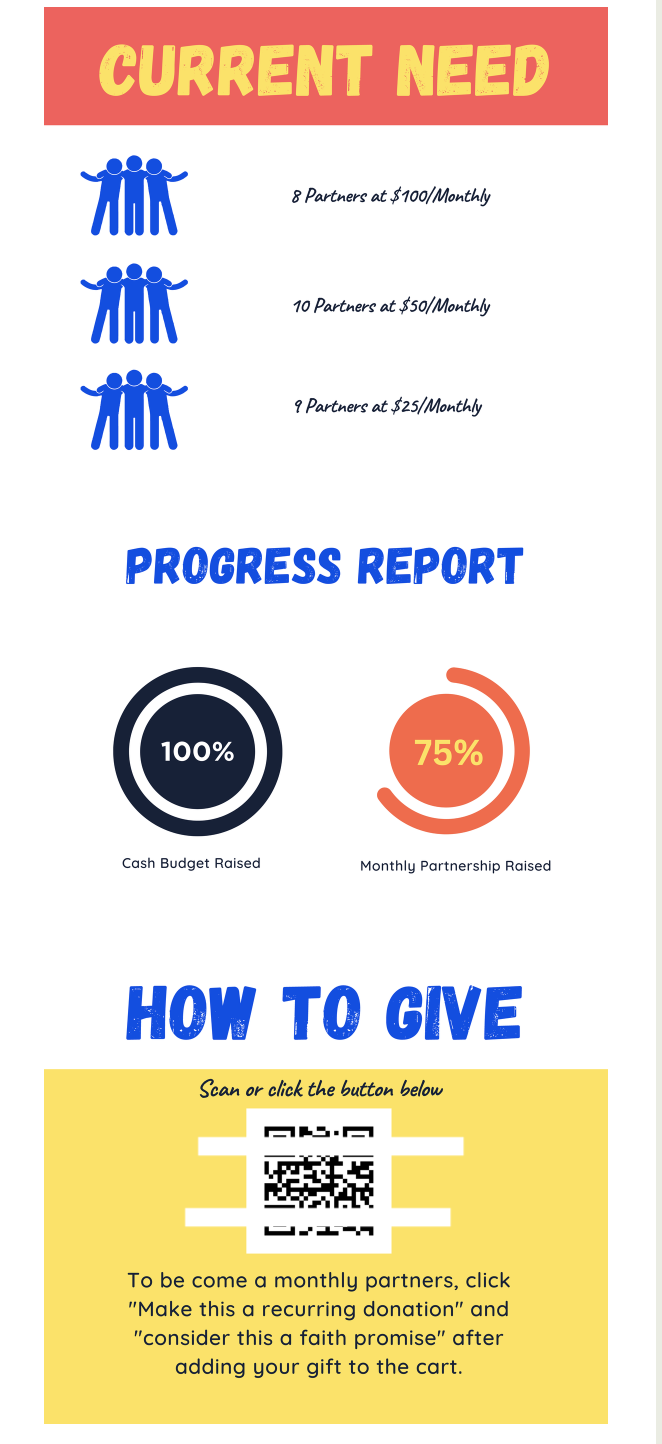
You may try in your multichannel approach to existing partners to do a social media campaign. This would include coming up with a specific goal (10 partners at $50 a month), creating a great graphic, creating posts, and getting together a team of campaigners who can post on their walls on your behalf – spreading your need farther than you could get on your own. This is a bit of an older post that explains the basics in more detail.


What’s Next? Action Steps to Try

Feeling inspired? Keep in mind, creating a concrete goal and thinking through your overall strategy before jumping in may be helpful – but here are some simple things you can do to begin!

  • Draft an email template to use when a financial partner’s giving stops—having it ready will save you time.
  • Post a heartfelt “just because” thank-you to your support team on social media or via your newsletter or text.
  • Take 10 minutes this week to pray intentionally for a segment of your supporters, then send them a message letting them know. (then, see if you can repeat that every month)
  • Schedule with your ministry team on assignment (or a roommate or anyone you know who is also on financial support!) a regular team session focused on prayer and partnership development.
  • Personally connect with your supporters in a different way than you have before—maybe even by postcard!
  • Host a Zoom webinar from the field to share updates and answer questions to your existing partnership team. Record it and share it widely (as you are able to based on security)
  • Draft an email to send to pastors and then another to send to individuals supporting you asking for an increase. Don’t forget to include in the email the ask of referrals as well!
  • Start thinking through who may help you do a social media campaign, keeping in mind your need for security!

What To Do If A Financial Partner Stops Giving

This post was originally done in 2020, and wanted to freshen it up! – JF

What happens if you are months into your assignment and you notice that the support of one of your financial partners has come to a screeching halt? Would contacting them be awkward? How would you word such a conversation? Here are some tips on how to deal when giving drops off:

  • If someone’s support drops off, try to deal with it relatively quickly. Don’t wait 4 or 5 months (or yikes…even longer) to reach out. I think waiting until the second month is okay, but I probably wouldn’t go beyond that if you can help it.
  • If someone stops their giving don’t assume that they don’t want to give any more. It could likely be a credit card expiration situation.
  • If someone’s support drops off contact that financial partner! Personally I would use email or phone call to connect, and I would stay away from less personal spaces like Facebook Messenger or text. Here’s a sample email or phone conversation:
    • Hey Paul! Hope you are doing well! Things here are going great as we continue building the school. We’ve made some huge progress within the past two months and it’s built up morale in the midst of some national unrest at times. It’s also lead to a lot of really great ministry moments recently that I’ll be sharing more in depth in my newsletter coming up next week. Excited to share more! How are you all doing ? Everything ok with you and your family? Would love to hear more. // I want to reach out because I noticed in May that your monthly support did not come in. I’m wondering if that is a credit card issue / expiration or if there are other circumstances? Let me know if you could either way. I would love to be praying if you have any specific prayer requests and thank you for the continued support in ministry, it has and does mean more than words can say. I’ll be attaching instructions to the bottom of this email if indeed it is a credit card change. Thank you Paul!” (*include giving information, instructions on credit card changes that are extremely user friendly, and your contact information)
  • If they don’t happen to answer, don’t give up, try to reach out in another way. And/or if you are emailing and don’t get a response, wait a week or so and pop in with a quick email that says something like “Hey Paul, just checking in. Did you happen to get the email I sent you on a couple of weeks ago in the beginning of June?”
  • If they answer back and let you know it’s a credit card expiration, I would respond by providing them again with the needed information to make the change. Do as much of the work as you possibly can for them, and make it AS SIMPLE AS POSSIBLE for them to complete the task.
  • If they answer that they won’t be continuing and their financial abilities have changed say something along the lines of:
    • “Hey Paul, thanks for letting me know about the situation that lead to a pause on the giving. It truly helps me. Thank you so much as well for your giving over X amount of time, words cannot say enough how grateful I am. If it’s okay I would love to touch base with you later on down the road and see if jumping back on would make sense after the challenges you are facing pass – and will be praying for you in the midst of it. I’m sure it’s a challenging time and I’m so sorry you have to walk through that (*or whatever helpful language works here based on relationship and challenge they are facing*). I’ll continue sending newsletters and thank you for your continued prayers. If you would like to not get those any longer let me know and I can take you off the list. Again, appreciate you and your family and will stay in touch.” 
    • If you send this back to them set yourself a calendar reminder to email or text them in a month or two just to simply check in and ask how they are doing. There should be no other agenda for that touch point unless they initiate it. Tell them you have been praying for them (and indeed – pray for them!) and let them know you were thinking of them.
  • Just as a reminder, stay relational with your partnership team! According to Bill Dillon’s statistics in his book People Raising, 66% of people stop giving because they don’t think that you care about them or their giving. Don’t be that worker that goes off to their assignment and forgets the team beyond you and behind you that makes it possible! If that is the case, you will likely have people drop off.

Effective Peer-to-Peer Fundraising Tips for Gen Z

Here’s an idea particularly for those of you who may be struggling with individual asks / struggling to get that last bit of monthly or cash support in.

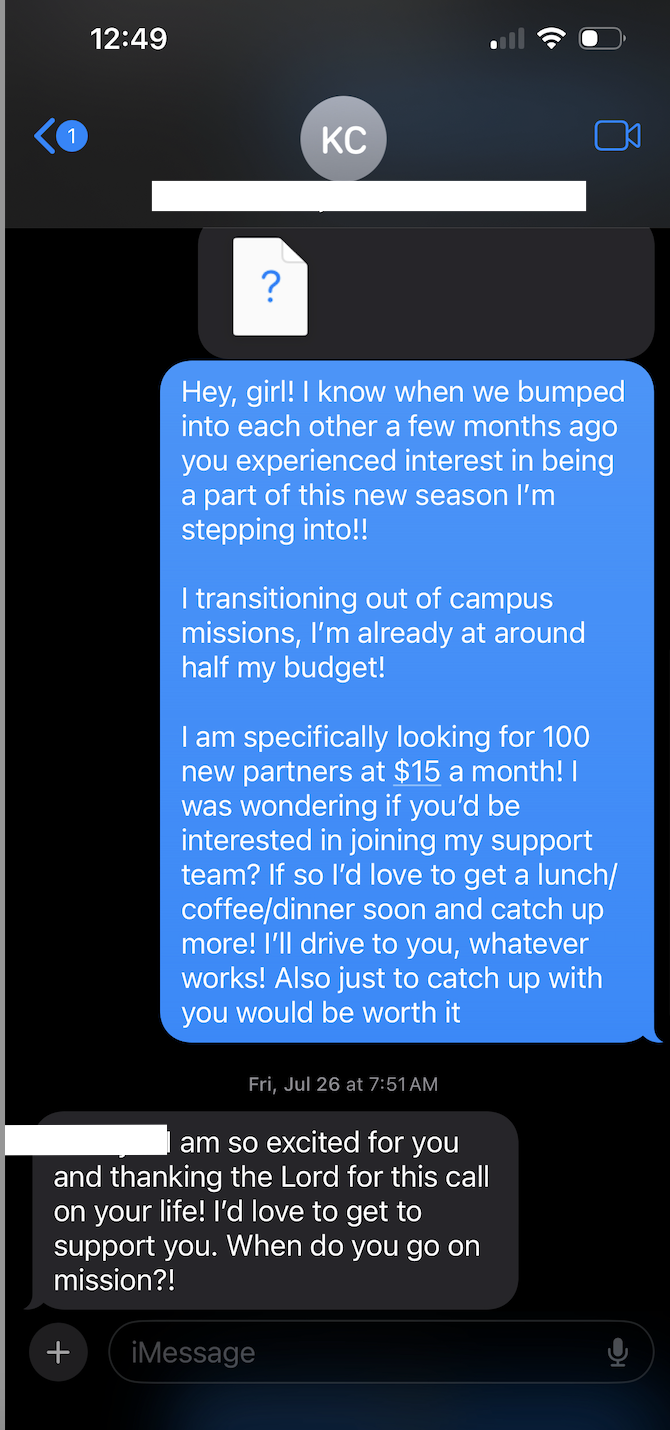
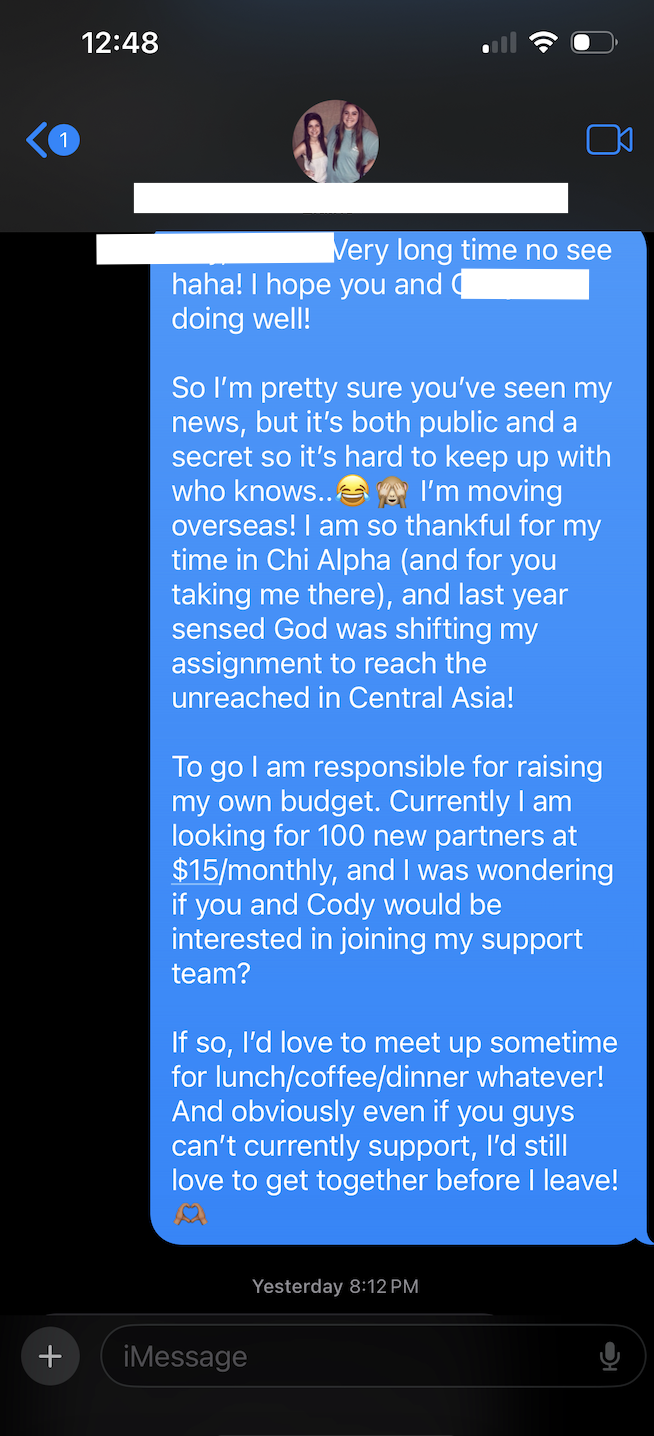
I recently talked with an worker who is doing a support raising push with individuals and doing it a little differently than what I have classically taught. She is doing the push with potential supporters who are more peer to peer relationships – (everyone is in their early 20’s) and making an ask of a 100 new supporters at $15 a month. Also, she is making the push all via text messages – which is definitely different from what I normally teach! (See below for examples). 

I’m bringing it to your attention however because I have seen this be fairly effective in various circumstances. I want to come out of the gate and say I don’t believe this is the new way to do it. Nor is it how I think most asks should be made of individuals. Do not hear me saying that! However, I do think though, in situations where you are facing more of a Gen Z peer to peer dynamic or with a segment of individuals who have not been responsive to other asks — this may be appropriate and effective to try. 

Now, for you It could be this translates to a demographic of potential supporters who you have tried to connect with and haven’t been able to get ahold of them, or maybe they are more of your peers and you haven’t asked for support yet from them, or maybe its a different segment of individuals that feels appropriate to your circumstance. Whatever the case, this may fit for you and may not — it’s simply just an idea that I wanted to to throw out there and see if it’s helpful. I would also encourage you to change that number to whatever the math works out best for you for an overall goal (some of you that may change the goal to cash support) – 100 new supporters at $15 is just her example. Honestly, I’d probably take that number higher while still being attainable. Something like $25 or $35.

I hope this little idea is helpful to you! – JF

The 2nd Time Around: Raising Additional Support, Engaging Existing Supporters, Building Church Partnerships, and Engaging Lapsed Supporters

Several years back I did a blog post on Pre-Itineration for anyone who was about to come off of a ministry assignment into a new season of support raising. I get questions all of the time as to where to start if you have existing support and are coming into a season of raising additional support. Usually additional questions follow, such as:

  • How much time should I spend on engaging existing supporters and asking for increases?
  • How much time reaching out to pastors and churches is appropriate?
  • How should I reach out to pastors and churches?
  • What do I say to those who have supported me when I come home? What’s the best way to communicate with them?
  • What should my newsletter reflect?
  • Where do I start again?!?!

To expound on the old blog post, I wanted to create something particularly helpful for a worker who has raised a full budget and is coming home from being overseas to raise additional support. However, this post isn’t only for the overseas worker, and there of course can be multiple reasons for raising more support. Whatever the case it is for you, I think you will find this blog post helpful to think through your strategy or at least for tucking away for when it’s you find yourself in this situation.

To communicate some ideas on the subject, I chatted with two AMAZING overseas workers (thank you so much to both of you!!!) who have recently come back to the States to raise additional support. First, we will start with my friend Emily* (yup — named changed for security). She has lived overseas on assignment for multiple years and recently came back to raise support as a career worker. When she came back to the States she knew she had an increased budget and that she would like to return to country as soon as possible. I asked Emily some questions about her overall strategy such as where did she begin and what did she specifically do? Keep in mind, within our organization Emily is allowed and encouraged to ask a lot of churches in our denomination, and her answers reflect that ability. Below are her responses.

Question 1: Emily, where did you start with your support raising as you made the transition from first term to second?

“I will give you the whole timeline! Just a note, A and B are where I started with the initial announcement to my supporters of what was next as far as my assignment goes, but it was really what I did later on the bore the most fruit. 

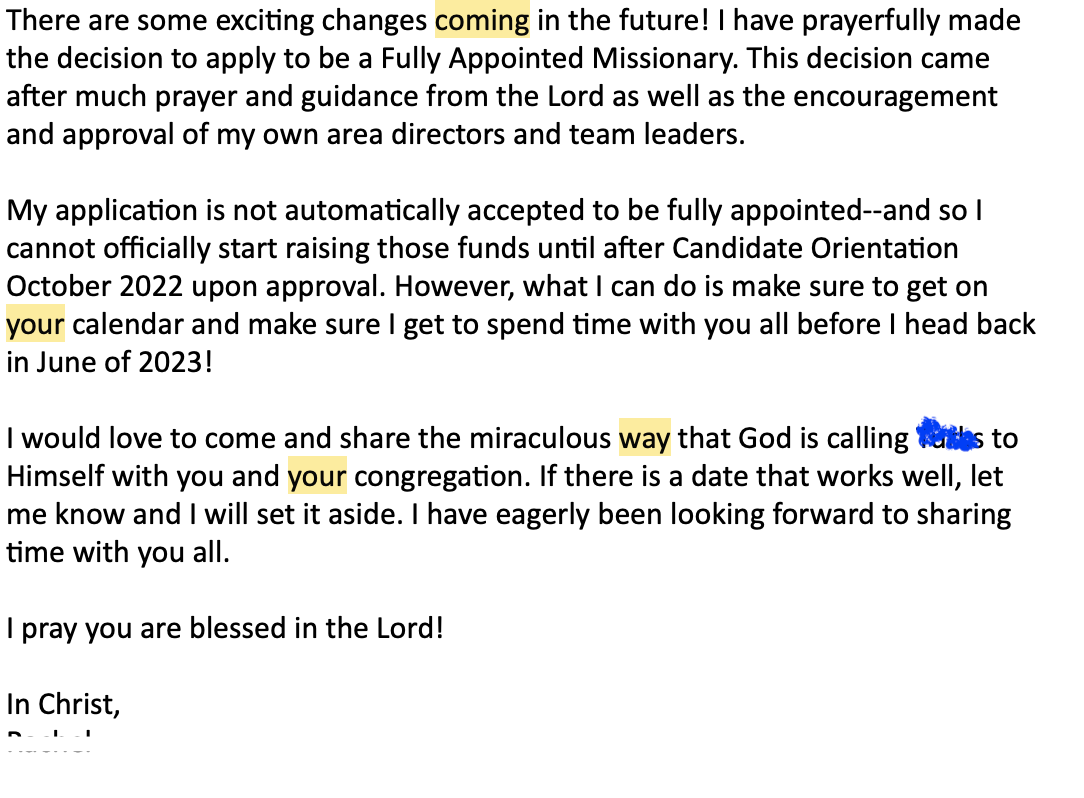
A: About six months before the end of my ministry term, I started by reaching out to my District Director (our denomination gathering of sectional / local churches) to let him know I was returning to the States soon. I did this specifically to ask him if I could begin getting on calendars of churches before my official approval as a worker going from associate to fully appointed. Every district is different, and he gave me the green light to start calling those I had relationship with to get on their calendars for services and to inform them of my transition. 

B. I sent out two emails initially. One to churches partnering with me and another to individuals currently partnering with me. I informed them of my next steps without getting too detailed about things that would confuse them–and focused on the fact that my budget was increasing. I thanked them for their faithful partnership. I asked them to consider increasing or even doubling their partnership. (Some fruit came from this -those who wanted to increase, did).

C. THIS was super fruitful: I posted a social request asking people to connect me with their pastors. I had a lot of response from this! I made sure to cast vision that they were multiplying my effectiveness by getting me into their churches. (I have attached this post)

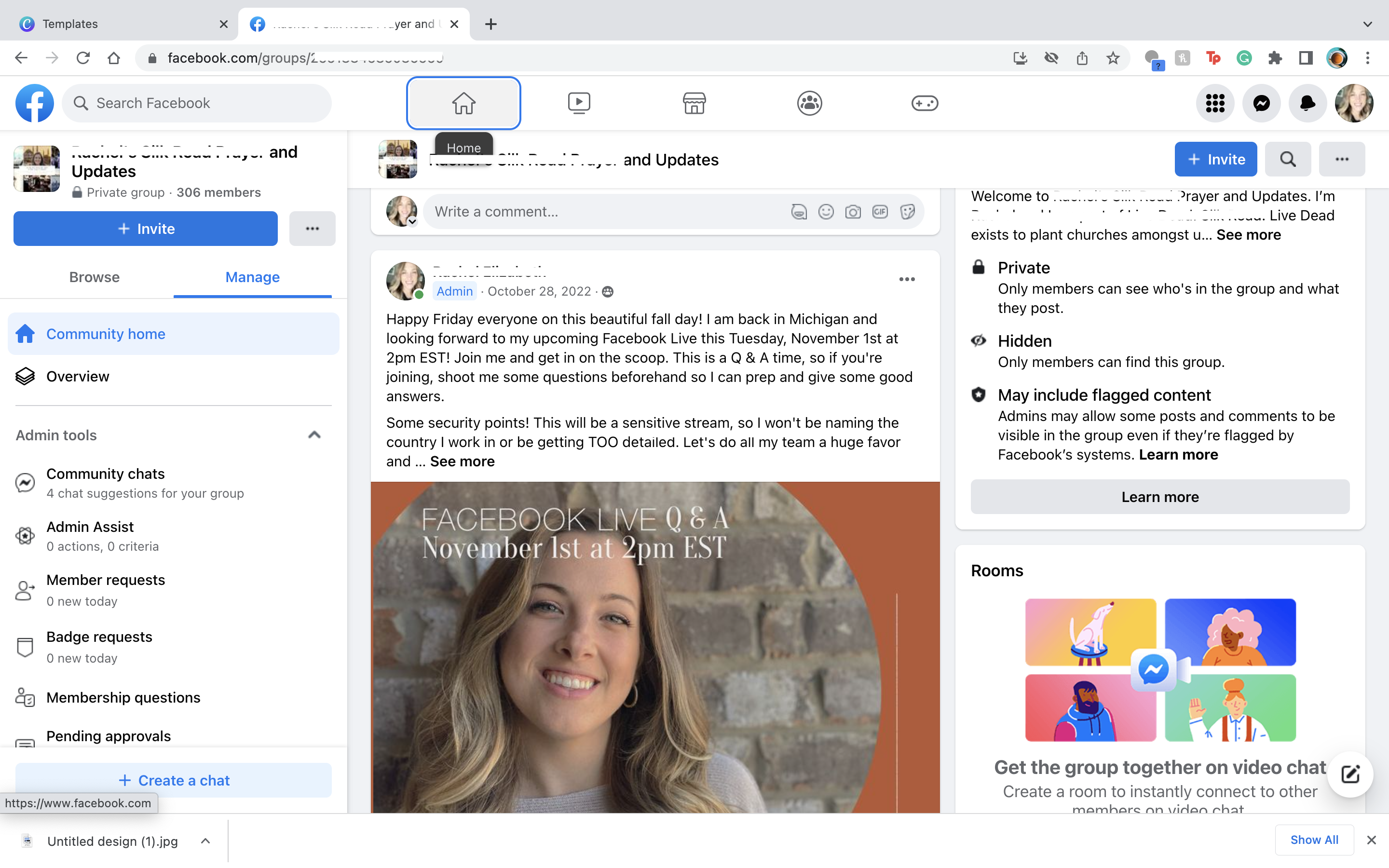
D. I did several Facebook Lives leading up to Giving Tuesday. What was effective from this, was that is seemed to make people want me to speak at their church. I didn’t get a lot of gifts but got a lot of invitations which then led to pledges.

E. Sent Pastor Packet > Follow up call > Follow up email> Repeat. This can seem so extremely monotonous and time consuming…BUT

  • I sent out packets with a case document, prayer card, and a handwritten note. I included in the correspondence that I would be calling them soon.
  • I diligently called through my district twice.
  • I emailed every pastor I could find an email address for directly following the phone call/message. 

That three point of communication was a winner for me. I had conversations with many people, not on the initial phone call (leaving the message is what is valuable there if they don’t pick up, so you can even do this on weekends), but usually on follow-up. On each mode of communication, I mentioned the others (I’ll be following up next week with a call … ) to let them know I was planning on a conversation and not just sending them information. 

F. OK, the magic here for this last one was connecting with pastors at District Council towards the end of my itineration journey getting my final percentages. I walked into general council at 85%. I emailed our District Director to ask him if they could highlight me on stage and finish me up (you never know unless you ask!) and he gave me a two-minute window that got me in front of everyone I had been having conversations with. This led to the final commitments I needed and many conversations. I believe District Council (again, our denomination gathering of sectional / local churches), if done well and preferably later in your itineration journey, can be very effective. THIS was when I looked back at all my calls, emails and mail-outs and really saw that they had been fruitful and worth the time because everyone in that room knew who I was from previous communication–even if I hadn’t heard from them. 

Question 2: Emily, what did you focus your time on and how?

I spent the majority of my time making phone calls, emailing, and keeping up records (an ongoing spreadsheet of communication), and this will come as a surprise, but also writing thank-you cards, even when people said no.  Those phone calls, emails, records and thank-you cards took the most time. However, it was also the most fruitful times as those phone calls and email led to appointments and services, which led to partnership. 

A phone call tip: If you have a reference, use it! Ask your District Director if you can use their name. Something I routinely started with was “Pastor ____ told me to reach out to you as I itinerate”. It may sound pushy but it just lets them know that someone they respect is pulling for you and they should too. 

Below are some screen shots of posts and copy I have referenced! – Emily

I also made this and used it recently in an email. I modeled it after an update another worker couple I admire recently did.

Okay, that’s Emily’s wonderful strategy! The second worker couple I’d like to highlight are the Smiths. They are currently raising support for a longer assignment as career workers and have developed some excellent materials to give to pastors and individuals I’d like to highlight.

First, I’d like to highlight the Smith’s pastor packets. The Smiths are emailing these to pastors whom they have not met with a handwritten note that says they would love to connect with them and will be calling within the week. Notice the packet information is several pages long as opposed to a shorter Case Document. (Case Documents are also super effective – but a longer version could be helpful in some circumstances like this!) Here’s a few snapshots of the packets.

The Smiths are taking this same packet and tailoring it for individuals (which by the way is such a cool idea!). They have made changes to the packet that include the levels of giving chart below (instead of full budget details that are given in the pastor / church packet). They have also changed the individual packet to include individual friendly language and change the size to be a mini packet.

Included with the mini packet is a handwritten card. (see below)

I hope these ideas help as you begin to craft your strategy for entering into a new season of support raising! For other ideas on how to get started: check out this post I mentioned in the beginning. Have any great ideas that have worked for you? Share them in the comments!

6 Things To Consider In 2023

Happy 2023 everyone! Guys, I love January. There’s nothing like a fresh start. Did anyone out there do New Years resolutions or spend some of the last few weeks goal setting? I personally love taking time in the new year to look over my vision statement and goal set for the year. If you did, I would challenge you to find something to add to those goals as it relates to partnership development. Novel idea right?! If you are in full time ministry and live off of support, working on your financial partnership development is a VITAL part of your life. How you view it and treat it are fundamental to your success and longevity as a minister.

That being said, are you slipping into any bad habits? Is your communication strong with your partnership base, or has it slipped to the dusty corners of your to-do wishlist? When was the last time you wrote a newsletter? When was the last time you reached out to an old friend or prayed for them just because? Could you do anything new to stand out? Try something new? Could your vision statement or your print pieces use a little refinement? How’s your attitude as it concerns raising support? Do you love and nurture your support team or tend to neglect involving them in your ministry?

My intention is not to overwhelm you if you have slipped into a few bad habits, but maybe adopting a few of these small changes (or coming up with ideas of your own) could make 2023 and beyond easier and more enjoyable as it relates to ministry and your partnership development. Here are a few ideas to consider:

1. In 2023, PERSONALLY connect with everyone on your partnership team on a quarterly basis. 

Consider bumping up your communications with your partnership team. Perhaps create a goal to reach out directly to every partner (churches and individuals) on a quarterly basis. Here are some ways to consider reaching out:

  • Direct Message on your social media app of choice
  • Emails
  • Short video from your phone
  • Text message or WhatsApp
  • postcard
  • Written letters

Reaching out to a supporter personally doesn’t have to be lengthy to be effective. Some ideas:

  • Just say hi. Let them know you were thinking of them
  • Ask how they are doing and how you can pray for them
  • Share a podcast or a sermon if they come to mind
  • Share a verse you love and are studying
  • Say happy birthday
  • text a picture of a ministry event with a quick thank you.

These little habits of regular communication make a big difference!

Here’s an idea, if you’ve never sent postcards from your city or country maybe 2023 is the time to do it! Chunk your list and make a goal of sending 10-20 postcards out a month.

2. In 2023, learn how to close your appointments well and do great follow up to make your life easier.

Here’s a blog post to help with that.

3. In 2023, refine your public speaking skills.

Are you going to be doing a lot of public speaking while on itineration? Mark it as a chance to develop or refine your skills by studying the subject and applying a few new tips. Here’s a short list of some quick reads on the subject:

4. In 2023, be bold.

“As you ask remember that you are asking on behalf of the lost, so with that in mind BE BOLD, and walk forward in faith. It’s not for you but for His glory. Don’t let rejections stop or discourage you…because ultimately it is all for the lost. It will come in from a different source! Keep praying, fasting, and sabbath-ing throughout it all!” – Anonymous Overseas Worker

4. In 2023, keep the sabbath.

Dunno who needs to hear this but — keep that sabbath day holy! Okay? Okay.

5. In 2023, refine your vision statement.

Knowing who you are, how you were called, and what you want to do in ministry is important, right? Right.

“A mission statement is not something you write overnight… But fundamentally, your mission statement becomes your constitution, the solid expression of your vision and values. It becomes the criterion by which you measure everything else in your life.”  Stephen Covey

We know mission statements are important, but it can be challenging to find the time and energy to sit down and refine one’s mission statement. I would argue though, taking that time to blow the dust off of your mission statement (whether that’s a personal or a team missions statement) is crucial to success.

“People are working harder than ever, but because they lack clarity and vision, they aren’t getting very far. They, in essence, are pushing a rope with all of their might.”  Stephen Covey

Even businesses struggle to maintain their vision statements, and recent research has showed that over half of employees (52%) cannot recite their business’s vision. All the while, a recent report shows that “sense of purpose” in work is the second most important criteria for millennials considering a job. Interesting.

If you want more information on vision statements and why they are so important to success, I’d recommend picking up a copy of 7 Habits of Highly Effective People. (Personally it is one of my favorite books EVER and goes in depth on the subject.)

6. In 2023, rebrand.

Have you been thinking for awhile it’s time to take your “brand” to the next level? Maybe it’s reordering new prayer cards that feature your newest child, or taking your Case Document and Connect Cards to the next level. Or maybe it’s thinking through a new newsletter template or features that align with your Facebook Group posts and website.

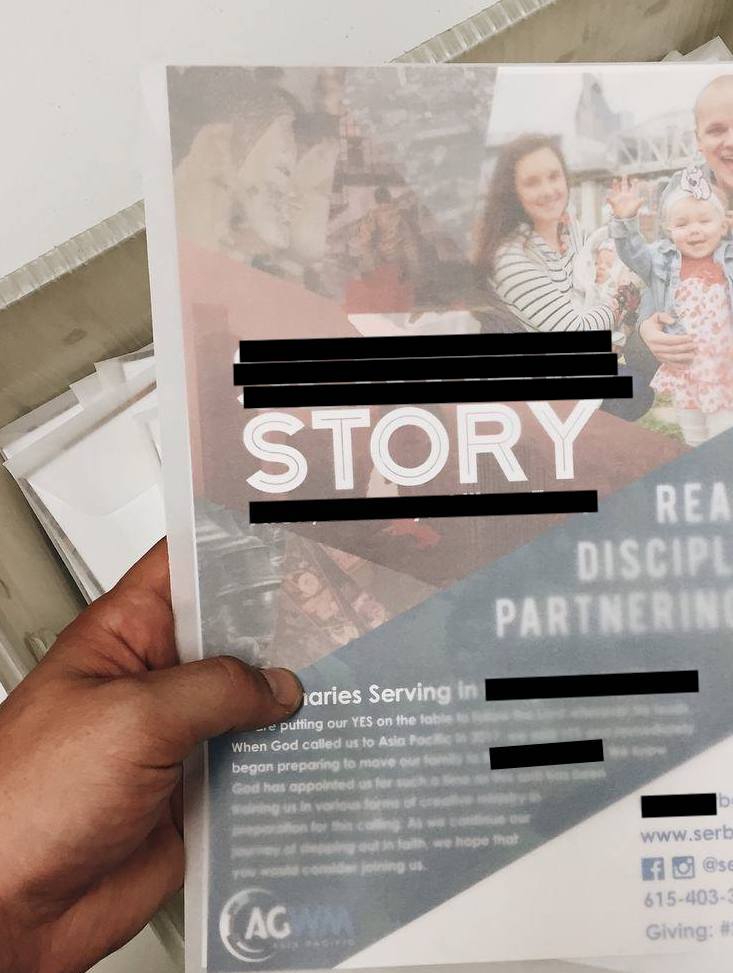
I’d say anything you can do to stand out, look professional, and raise the bar with quality communication and materials really does make a difference! Make 2023 the year to do it! The picture below is an example of a packet given to pastors that really stands out. Notice the fancy envelope and the beautiful graphics.

41426729_1841685095868872_6401998987796152320_n

I hope these help spark some ideas for you! Happy 2023! -JF

Support Raising Stand Out: Try Video Messaging

Standing out amongst a crowd is a good thing when it comes to support raising. Many ministry workers I talk to are continually looking for impactful ways to make themselves memorable. One great way to stand out is by making a strong first impression with well written and branded communication pieces. However, many ministry workers become frustrated with the lack of response they receive from their carefully crafted communication pieces, wondering where they might have gone wrong with only fractions of pastors and individuals responding to written pieces such as newsletters, emails, and texts.

I think I have a fun suggestion to solve for X.

Recently I got into a conversation with a worker that I coach (let’s call her Kate), and she mentioned she started video messaging pastors and individuals instead of using standard emails (she also substitutes video messages for texts, and some phone calls).

After she mentioned this I did what any good coach would do, and reverted to a classic coaching phrase “Say more about that“, (…honestly I was a little worried she was going way too far off the beaten path in her communication) and she began to explain how she had been using video messaging instead of using boring ole emails. To quote Kate:

I’m a X (omitted for security purposes) district ministry worker with Assemblies, and no one really knows who I am because I’ve never been in full time ministry before. My hope is that sending a video first to pastors puts a face to the name. Having something outside of the box helps and shows that, hey! I’m a human!”

To get specific, Kate is using a video messaging service called Bombbomb.com. BombBomb’s tagline boasts “Get more replies, save valuable time, and add a human touch with BombBomb video email and video messages.” Think about it: Have you have sent correspondence to a pastor/church or individual only to hear nothing back? Have you felt bombarded by emails and quickly skim or don’t even read many of your emails? Have you sent text messages out that read like books (tl;dr = too long don’t read) that haven’t gotten desired responses?

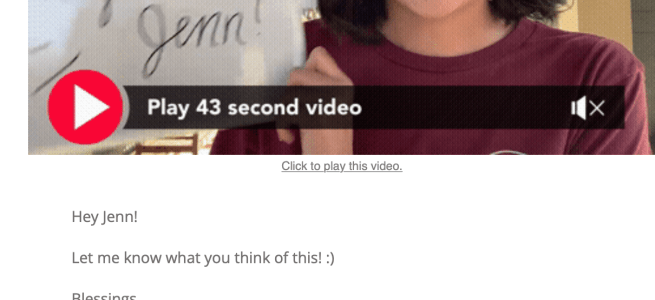
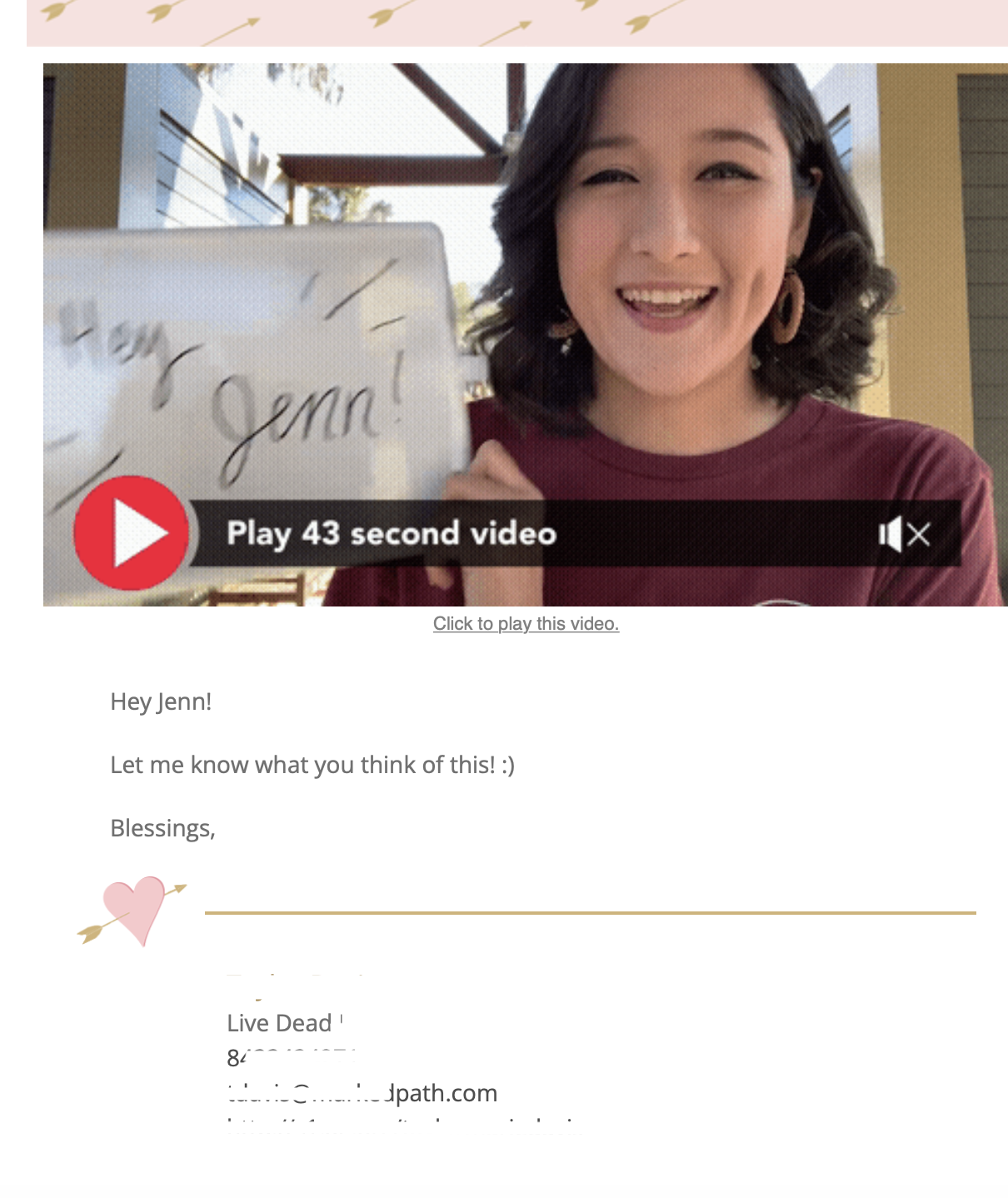
So why does video messaging work? Well, the thing that makes BombBomb so effective is that it embeds the video message with a gif-like link in the body of the email (you can also send these out as text messages!). It moves and shakes and gets readers attention instead of just having bland words in an email. The other thing that makes it so effective is that the video is personalized to the person. For instance, in Kate’s video to me there was a banner of Valentine’s Day (I got this in early February, they rotate the banners based on holidays, seasons, and preferences) and Kate brilliantly held up a personalize sign of my name that became the thumbnail / gif of the video. It made me instantly want to watch it and find out what she had to say TO ME. Not only that, I knew immediately from the banner that it was a 43 second video (you never want to make videos long!) so I knew it was going to be taking too much of my time. Here’s a screen shot of the email (some details omitted for security purposes):

So how did this experiment in video messaging work out for Kate’s support raising? Well, as Kate began sending this videos out to pastors that she had never met before, she started getting instant responses. With BombBomb, you can ask the recipient to record their own video back or respond to the email – which gives them a fun and/or a quick easy way to respond.

Interested? Here are creative some ways you could use a video messaging service such as BombBomb to stand out in your support raising:

  1. Emailing pastors / churches / missions boards instead of sending emails for an introduction
  2. Texting individuals and groups reminders for events
  3. Texting individuals, groups, pastors, or businesses for personalized communication
  4. Newsletters
  5. Follow up from a connect card
  6. As a thank you for someone beginning their support
  7. Quick prayer updates to supporters
  8. Saying a personalized “hi” to supporters while on the field
  9. There are probably a lot more that you can think of!

** Just a quick side-bar here: I don’t believe texting or emailing for face to face appointments with individuals should replace the phone call and this post is not about condoning that. However, if you are reaching out to individuals and numerous churches or businesses this idea could be perfect for you to help communicate in some of the ways above.

Kate has decided after trying BombBomb.com for free that she is gladly going to pay for the BombBomb Plus program (FYI there is a free option for Non-Profits!). She is going to switch her actual newsletters over from e-newsletters on Mailchimp to video newsletters via BombBomb (with BombBomb Plus you can send videos out to multiple people at a time). What a fresh take on a newsletter! Kate is also using BombBomb to follow up with groups.

Here’s Kate sharing some details on follow up with groups:

I shared at a (church) service yesterday! I’m putting all those individuals I talked with or gave me back connect cards in a group on BombBomb. Today or tomorrow, I’ll send that group a BombBomb campaign video email and say thank you, welcome to the journey, here’s what to expect now, and here’s monthly giving info, etc. I’m trying to find new ways to incorporate BombBomb in follow up tasks.”

What do you think? I think it’s BRILLIANT. Thinking outside of the box and standing out is becoming more and more important to the workers I coach, and I love that this is a unique and easy way to do that. Also, side note = bombbomb.com services are free for non-profits!

Have you tried video messaging? What are some ways you are thinking outside the box? What are some ways you are utilizing technology? Post it in the comments! I hope this idea sparks ideas that encourage you to stand out!

Click the link below to watch the full video that Kate sent me!

Closing A Face To Face Appointment

Happy New Year everyone! I’ve been thinking of what to post this month to kick off the new year, and I wanted to go ahead and re-post this from May of last year. I think it may be one of the most essential blog posts I’ve done in awhile, so I’d like to throw you what I thought was a highlight of 2021 up front. I think creating a short goal during The Close (read on to see what I’m talking about) is an absolute game changer! Enjoy! – JF

Having a great Close to your Face to Face Appointments is almost as important as having a great Ask. What do I mean by the “Close”? Essentially, closing your appointment comes right after The Ask and includes elements like next steps, setting expectations, and getting the financial partner on-boarded to start their giving.

Do you know if your closing your appointments well? Let me ask you a few questions so we can gauge it together:

  • Are you having trouble getting verbal commitments turned in to actual gifts? Do you feel like your chasing your tail? 
  • Are you having issues with new partners giving to your organization correctly? Are they seamlessly giving without any hiccups, misdirection of funds, or accidentally just giving one time instead of monthly? 
  • Do you think your new monthly partners have clear next steps and expectations of how you will communicate with them? 
  • Do you feel like after you’ve done your appointment the real challenge comes in getting ahold of them to turn it in? (why yes! I am aware this question is a bit redundant to the first question!)

If you’ve answered yes to any of these questions – your Close may need a little work and tweaking. Or a lot… It could need a lot of tweaking. I find in the workers that I coach if the Close is not in ship-shape, the process of follow up can become extra cumbersome and challenging. Here are some quick tips to help you tighten up your Close and get those new partners on-boarded to your team.

3 FOLD COMMITMENT:

First things first! While closing your face to face appointment set clear expectations to your new financial partner with a commitment to your team. My commitment suggestion comes in 3 parts: (1) work hard on assignment, (2) communicate regularly, (3) pray for your team.

Imagine you just started giving 100$ a month to a new missionary. As a giver, you would probably like to know what to expect after you start your giving. Right? Right. Therefore, let your shiny new partners know how you will be communicating with them – is it through newsletters and a Facebook Secret Group? Is it via email? WhatsApp or iMessages or Direct Messages? Do you have a TikTok or Instagram account dedicated to your ministry? Do you have a Secret Facebook Group? How often are you doing your newsletters? This is all helpful information to include during the Close of your appointment. I like to do this in my 3 fold commitment to them. It goes a little sum’ like this:

“As a team member I would like to make a 3 fold commitment to you. First, I promise to work hard while I’m on the field, reaching the X people for Christ and working diligently to make relationships with the X people through X Y and Z. Secondly, I promise to keep you updated regularly. Though I won’t be able to connect as consistently via phone because of the connection in X country, I will be keeping my team updated regularily through bi-monthly newsletters and my Secret Facebook Group. The Facebook Group is titled X and I will send you an invitation to it tonight, so be on the lookout. My hope is to shoot out updates there every week. Please feel free to comment or like things there, but keep in mind even though it’s “secret” I still need to be sensitive to not giving too much information due to X country. I also intend to email you from time to time, which leads me to number 3! Thirdly, I would love to pray for you on a continual basis and will be reaching out via email from time to time asking for prayer requests. Please keep me updated as well with any prayer requests as time goes on. My desire is for this to really be a team, as I simply cannot do what I am doing without you. Any questions about that?”

SET GIVING EXPECTATIONS: 

“Yes” comes with a wide variety of nuances. It’s like a buffet out there guys. Some will say they need to pray about an amount prior to committing, others will say they will commit 75$ and turn it in tomorrow morning, still others will just say they will turn it in “soon”. No matter their response – make sure to ask two things: (1) If they know the amount and (2) when they would like to turn it in by. 

This is important for two reasons:

  1. Because it gives you a frame of reference as to when to expect their commitment turned in by.
  2. Because it helps you know how to respond and set up your follow up accordingly, which can be varied. For instance, if they say they will turn it in this week then your response could be “Great Shelly, that’s going to be so helpful to get to my goal of 50% by the end of the month. If I don’t see it come in by the end of the week I’ll shoot you out a text (you may ask if they prefer text or phone call) to see if you need a reminder or have any questions about how to set it up – does that work okay?” Or, say for instance they indicate they need to pray about the amount. You can then respond with “Great Shelly, do you think a couple of days would be sufficient for that or would you need more time?” (Shelly says a couple of days is sufficient) Then, “Okay, I will text you for follow up Wednesday to see where you’re at after a couple of days to pray If I don’t reach you, I may try and call to reach youDoes that work for you?” 

SHORT PERCENTAGE GOAL: 

Setting a short percentage goal is a little trick I’ve been proselytizing lately. So what does setting a percentage goal mean? Let me explain by setting the stage for this one: 

Sally has just said yes to joining your monthly partnership team and has told you she will get it turned in this week. A month has gone by and unfortunately you didn’t do a good job on your close with creating follow up expectations or creating percentage goals. Whomp. To combat situations like this in the future, when Sally tells you she is going to join your partnership team at 100$ a month and will get signed up this week, the next thing you say to Sally is “Oh my Sally! This is so great as it helps me get to my goal of 75% by the end of May! If you can get that turned in this week that would get me closer to that goal and of course closer to 100% by August. I really appreciate it.” See what I did there? I created a short percentage goal to let Sally know it matters when she gets her monthly commitment turned in. A lot of new financial partners don’t know that you will never be able to get to 100% unless they turn in their commitment (though this can vary based on your organization), and the reason is because you haven’t told them! Thus, make sure to communicate clearly (and gently…and nicely, you know what I mean) what your needs are. Creating a short goal that is less than a month away is perfect for getting a little urgency in and communicating that you are working toward getting to 100% in a timely manner. Doing so will help you get commitments turned in efficently.

SET FOLLOW UP EXPECTATIONS:

As a support raising coach I have seen that setting clear follow up expectations can make or break your season of support raising. Essentially you want to do 3 things while setting follow up expectations during your appointment:

  1. GIVING EXPECTATIONS: As above, ask them when they would like to give and how much. (If they are praying / thinking it over this still applies just tweak it)
  2. SHORT PERCENTAGE GOAL: As above, give them a short percentage goal and communicate your needs for having them turn it in.
  3. COMMUNICATE AND CALENDARIZE FOLLOW UP: If they are praying about an amount or unsure of their giving, set a time frame and let them know you will follow up with them. An example could be this: “Great Sally! Thank you so much for praying about a commitment. How much time do you think you need to pray about it? A couple of days? (*Sally says yes) “Okay, how about I text you on Friday and find if you’ve come to any decisions? Would that be okay?” (*Sally says yes) “Great, and if I don’t get ahold of you Sally I may try to call. Thank you so much for praying!” The same process works if they say yes and they get it turned in in a couple of days, just change the wording a bit to something like this: “Okay, if I don’t happen to see it come in by Friday or Saturday I will shoot you a text and see if you need a reminder or any help getting it set up. I’m so thankful Sally and appreciate you being a part of this team. Your giving now will help me reach my short goal of getting to 50% by the end of the month, and 100% by August! Thank you!”

A text to Sally for follow up would look something like this: “Hey Sally! Thanks so much for praying about joining my partnership team. I really loved our time together and am so grateful. Have you come to any decisions? Let me know either way and I appreciate you!”

**Please note, it’s always best to get a new financial partner on-boarded during the appointment, so shoot for that when they choose that entree of the buffet table! It’s like getting the steak! Or maybe like getting the soft serve ice cream after dinner when you were a (big) kid. Remember buffets?!?!**

GIVING INSTRUCTIONS:

Have you ever tried to give a reoccurring gift to a worker/ministry and felt like you were doing rocket science? Unfortunately the process isn’t always easy, and yet again comes with another buffet of options for the giver. Online? On the phone? Via check? It’s likely there are multiple ways your new financial partner could give, and typically not everyone will want to set it up the same way. Your job is to make it as easy as possible for your new financial partner to give. To do this, provide a short sheet of giving instructions. It doesn’t have to be fancy to be helpful! If you don’t know various ways that someone can give to your organization, learn all of the processes and make sure you understand how each works.

So I hope these were helpful! Now you’ll be pro level closing your appointments and getting new financial partners on-boarded to give! Recap:

  • 3 Fold Commitment
  • Giving Expectations
  • Short Percentage Goals
  • Follow Up Expectations
  • Giving Instructions

Aaaaannnnd Closed.

THE CLOSE: How to Close Appointments Like a Pro

Having a great Close to your Face to Face Appointments is almost as important as having a great Ask. What do I mean by the “Close”? Essentially, closing your appointment comes right after The Ask and includes elements like next steps, setting expectations, and getting the financial partner on-boarded to start their giving.

Do you know if your closing your appointments well? Let me ask you a few questions so we can gauge it together:

  • Are you having trouble getting verbal commitments turned in to actual gifts? Do you feel like your chasing your tail?
  • Are you having issues with new partners giving to your organization correctly? Are they seamlessly giving without any hiccups, misdirection of funds, or accidentally just giving one time instead of monthly?
  • Do you think your new monthly partners have clear next steps and expectations of how you will communicate with them?
  • Do you feel like after you’ve done your appointment the real challenge comes in getting ahold of them to turn it in? (why yes! I am aware this question is a bit redundant to the first question!)

If you’ve answered yes to any of these questions – your Close may need a little work and tweaking. Or a lot… It could need a lot of tweaking. I find in the workers that I coach if the Close is not in ship-shape, the process of follow up can become extra cumbersome and challenging. Here are some quick tips to help you tighten up your Close and get those new partners on-boarded to your team.

3 FOLD COMMITMENT:

First things first! While closing your face to face appointment set clear expectations to your new financial partner with a commitment to your team. My commitment suggestion comes in 3 parts: (1) work hard on assignment, (2) communicate regularly, (3) pray for your team.

Imagine you just started giving 100$ a month to a new missionary. As a giver, you would probably like to know what to expect after you start your giving. Right? Right. Therefore, let your shiny new partners know how you will be communicating with them – is it through newsletters and a Facebook Secret Group? Is it via email? WhatsApp or iMessages or Direct Messages? Do you have a TikTok or Instagram account dedicated to your ministry? Do you have a Secret Facebook Group? How often are you doing your newsletters? This is all helpful information to include during the Close of your appointment. I like to do this in my 3 fold commitment to them. It goes a little sum’ like this:

“As a team member I would like to make a 3 fold commitment to you. First, I promise to work hard while I’m on the field, reaching the X people for Christ and working diligently to make relationships with the X people through X Y and Z. Secondly, I promise to keep you updated regularly. Though I won’t be able to connect as consistently via phone because of the connection in X country, I will be keeping my team updated regularily through bi-monthly newsletters and my Secret Facebook Group. The Facebook Group is titled X and I will send you an invitation to it tonight, so be on the lookout. My hope is to shoot out updates there every week. Please feel free to comment or like things there, but keep in mind even though it’s “secret” I still need to be sensitive to not giving too much information due to X country. I also intend to email you from time to time, which leads me to number 3! Thirdly, I would love to pray for you on a continual basis and will be reaching out via email from time to time asking for prayer requests. Please keep me updated as well with any prayer requests as time goes on. My desire is for this to really be a team, as I simply cannot do what I am doing without you. Any questions about that?”

SET GIVING EXPECTATIONS:

“Yes” comes with a wide variety of nuances. It’s like a buffet out there guys. Some will say they need to pray about an amount prior to committing, others will say they will commit 75$ and turn it in tomorrow morning, still others will just say they will turn it in “soon”. No matter their response – make sure to ask two things: (1) If they know the amount and (2) when they would like to turn it in by.

This is important for two reasons:

  1. Because it gives you a frame of reference as to when to expect their commitment turned in by.
  2. Because it helps you know how to respond and set up your follow up accordingly, which can be varied. For instance, if they say they will turn it in this week then your response could be “Great Shelly, that’s going to be so helpful to get to my goal of 50% by the end of the month. If I don’t see it come in by the end of the week I’ll shoot you out a text (you may ask if they prefer text or phone call) to see if you need a reminder or have any questions about how to set it up – does that work okay?” Or, say for instance they indicate they need to pray about the amount. You can then respond with “Great Shelly, do you think a couple of days would be sufficient for that or would you need more time?” (Shelly says a couple of days is sufficient) Then, “Okay, I will text you for follow up Wednesday to see where you’re at after a couple of days to pray If I don’t reach you, I may try and call to reach you. Does that work for you?

SHORT PERCENTAGE GOAL:

Setting a short percentage goal is a little trick I’ve been proselytizing lately. So what does setting a percentage goal mean? Let me explain by setting the stage for this one:

Sally has just said yes to joining your monthly partnership team and has told you she will get it turned in this week. A month has gone by and unfortunately you didn’t do a good job on your close with creating follow up expectations or creating percentage goals. Whomp. To combat situations like this in the future, when Sally tells you she is going to join your partnership team at 100$ a month and will get signed up this week, the next thing you say to Sally is “Oh my Sally! This is so great as it helps me get to my goal of 75% by the end of May! If you can get that turned in this week that would get me closer to that goal and of course closer to 100% by August. I really appreciate it.” See what I did there? I created a short percentage goal to let Sally know it matters when she gets her monthly commitment turned in. A lot of new financial partners don’t know that you will never be able to get to 100% unless they turn in their commitment (though this can vary based on your organization), and the reason is because you haven’t told them! Thus, make sure to communicate clearly (and gently…and nicely, you know what I mean) what your needs are. Creating a short goal that is less than a month away is perfect for getting a little urgency in and communicating that you are working toward getting to 100% in a timely manner. Doing so will help you get commitments turned in efficently.

SET FOLLOW UP EXPECTATIONS:

As a support raising coach I have seen that setting clear follow up expectations can make or break your season of support raising. Essentially you want to do 3 things while setting follow up expectations during your appointment:

  1. GIVING EXPECTATIONS: As above, ask them when they would like to give and how much. (If they are praying / thinking it over this still applies just tweak it)
  2. SHORT PERCENTAGE GOAL: As above, give them a short percentage goal and communicate your needs for having them turn it in.
  3. COMMUNICATE AND CALENDARIZE FOLLOW UP: If they are praying about an amount or unsure of their giving, set a time frame and let them know you will follow up with them. An example could be this: “Great Sally! Thank you so much for praying about a commitment. How much time do you think you need to pray about it? A couple of days? (*Sally says yes) “Okay, how about I text you on Friday and find if you’ve come to any decisions? Would that be okay?” (*Sally says yes) “Great, and if I don’t get ahold of you Sally I may try to call. Thank you so much for praying!” The same process works if they say yes and they get it turned in in a couple of days, just change the wording a bit to something like this: “Okay, if I don’t happen to see it come in by Friday or Saturday I will shoot you a text and see if you need a reminder or any help getting it set up. I’m so thankful Sally and appreciate you being a part of this team. Your giving now will help me reach my short goal of getting to 50% by the end of the month, and 100% by August! Thank you!”

A text to Sally for follow up would look something like this: “Hey Sally! Thanks so much for praying about joining my partnership team. I really loved our time together and am so grateful. Have you come to any decisions? Let me know either way and I appreciate you!”

**Please note, it’s always best to get a new financial partner on-boarded during the appointment, so shoot for that when they choose that entree of the buffet table! It’s like getting the steak! Or maybe like getting the soft serve ice cream after dinner when you were a (big) kid. Remember buffets?!?!**

GIVING INSTRUCTIONS:

Have you ever tried to give a reoccurring gift to a worker/ministry and felt like you were doing rocket science? Unfortunately the process isn’t always easy, and yet again comes with another buffet of options for the giver. Online? On the phone? Via check? It’s likely there are multiple ways your new financial partner could give, and typically not everyone will want to set it up the same way. Your job is to make it as easy as possible for your new financial partner to give. To do this, provide a short sheet of giving instructions. It doesn’t have to be fancy to be helpful! If you don’t know various ways that someone can give to your organization, learn all of the processes and make sure you understand how each works.

So I hope these were helpful! Now you’ll be pro level closing your appointments and getting new financial partners on-boarded to give! Recap:

  • 3 Fold Commitment
  • Giving Expectations
  • Short Percentage Goals
  • Follow Up Expectations
  • Giving Instructions

Aaaaannnnd Closed.

So You’re Doing Another Round of Support Raising? 9 Things To Get Started Early

This post was written originally in August 2018. But it was definitely worth a repost as a helpful little list of 9 things to do when entering back into a season of raising support. So if you are a worker who is reentering a season of raising support – this is for you! I hope you find it helpful! – JF

Recently, I attended a conference where I met with numerous workers who have lived off of support for a long time. Some of them had been in their assignments for over 15 years! Most of the workers I connected with are coming back home to enter into itineration and wanted some advice on how to best navigate a new successful season of support raising.

I found in my conversations that I was encouraging these workers to do several strategic things before they came back home, and I thought it would be helpful to share those ideas here. So, if you are already in your assignment and are gearing up for another season of raising up your team – this is for you! If you haven’t raised your support and haven’t made it to your assignment, tuck this post away for the future you! I hope these give you great ideas of where to start before you land back home. – JF

pre-itineration_31724110 (6)

I hope this gave you some helpful ideas! Below are some links with further information.

Here’s a link for more information on Connect Cards

Here’s a link for more information on Appointment Kits and Pastor Packets

Here’s a link for more information on Fundraising and Non-Fundraising Events